Rueda trasera Phase30


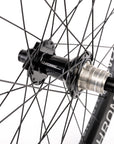
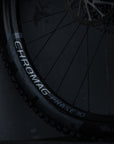
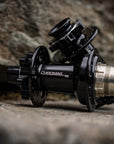
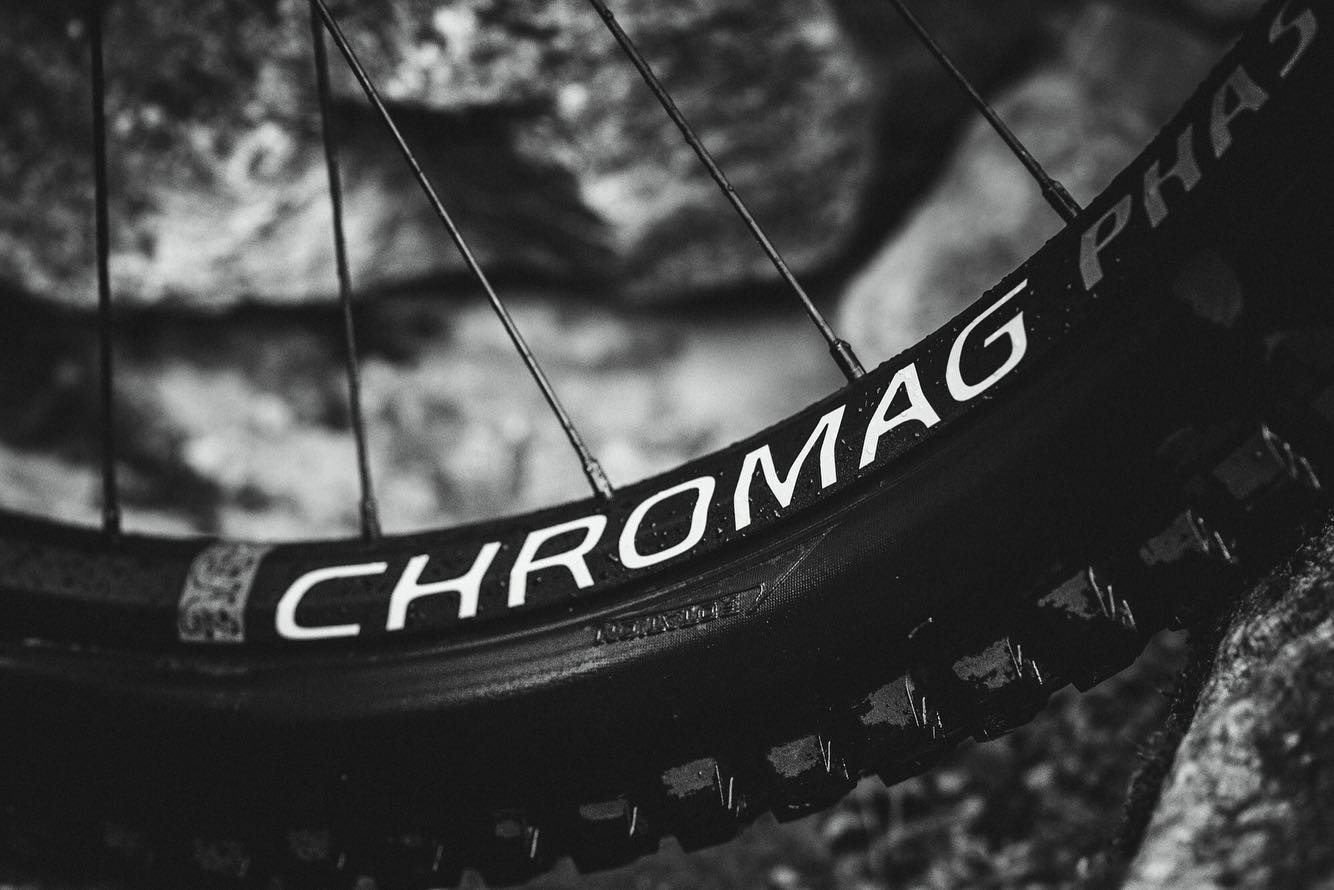
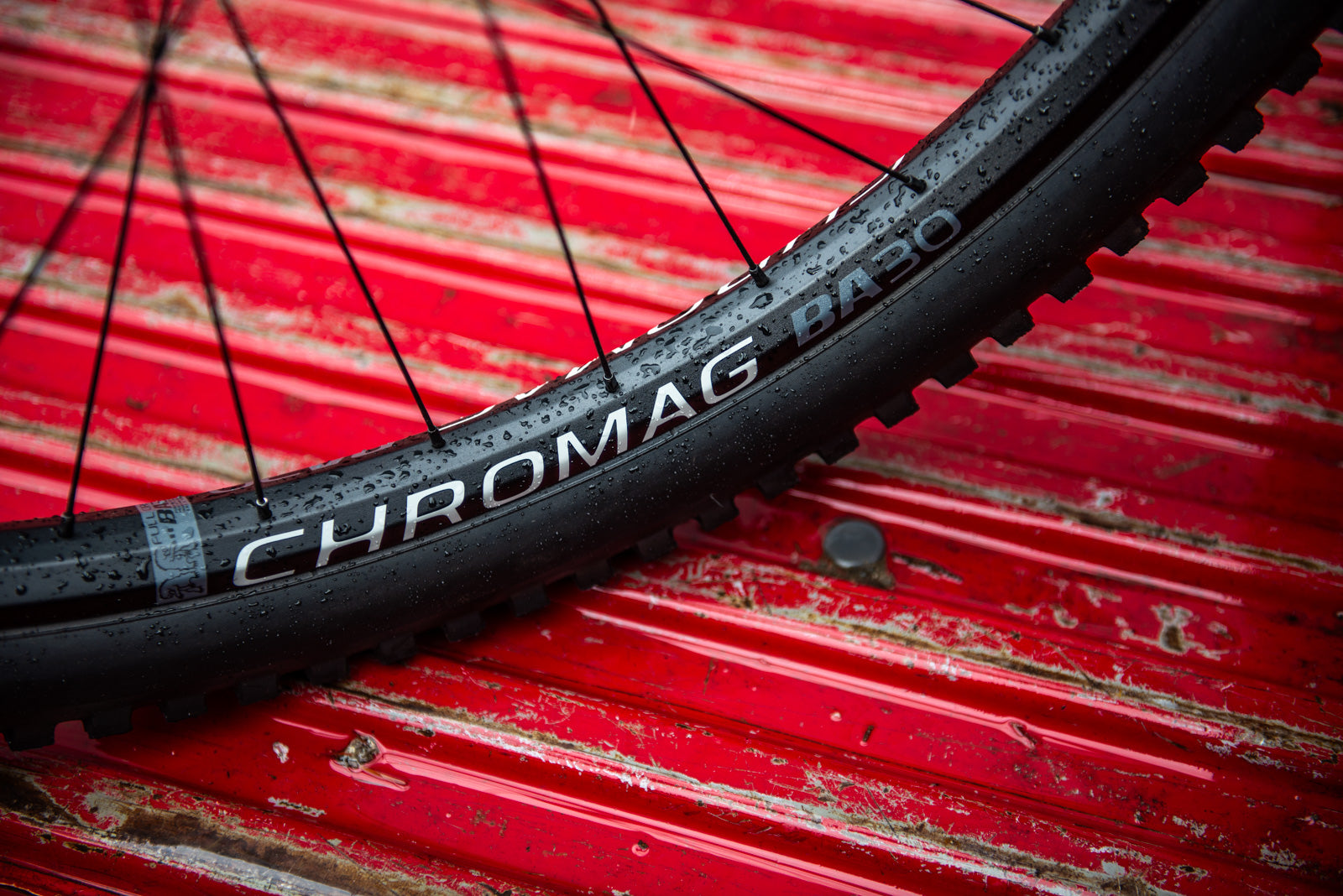
El PHASE30 refleja nuestro perfil BA30 pero en un formato más liviano que se adapta a todas las condiciones de conducción en montaña y senderos.
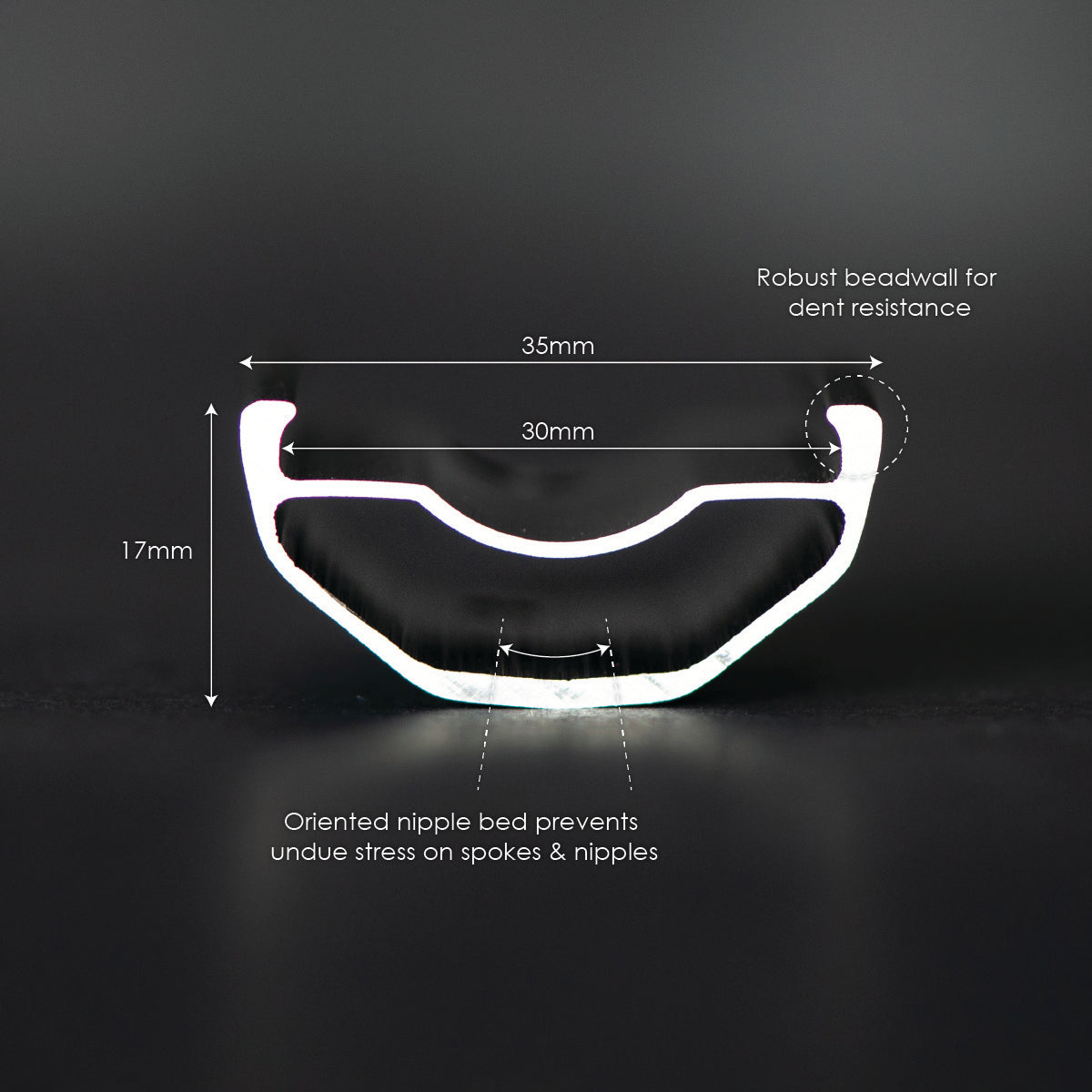
Esta llanta de aleación de alta calidad es más resistente que la mayoría, con protección adicional en los flancos para mayor resistencia a los impactos y reducción de cortes en los flancos. La base de la cabecilla/radio está orientada en la dirección del radio para reducir la debilidad causada por la flexión del radio en el orificio de la cabecilla. La PHASE30 está fabricada con aleación de primera calidad, extruida y cuidadosamente moldeada para lograr una forma consistente. Posteriormente, se suelda por fusión y se rectifica para obtener un acabado resistente y preciso. Nuestro sistema de soldadura por fusión crea una unión perfecta y sin costuras que se convierte en la sección más resistente de la llanta, garantizando que no se rompa en la costura si se produce un impacto.
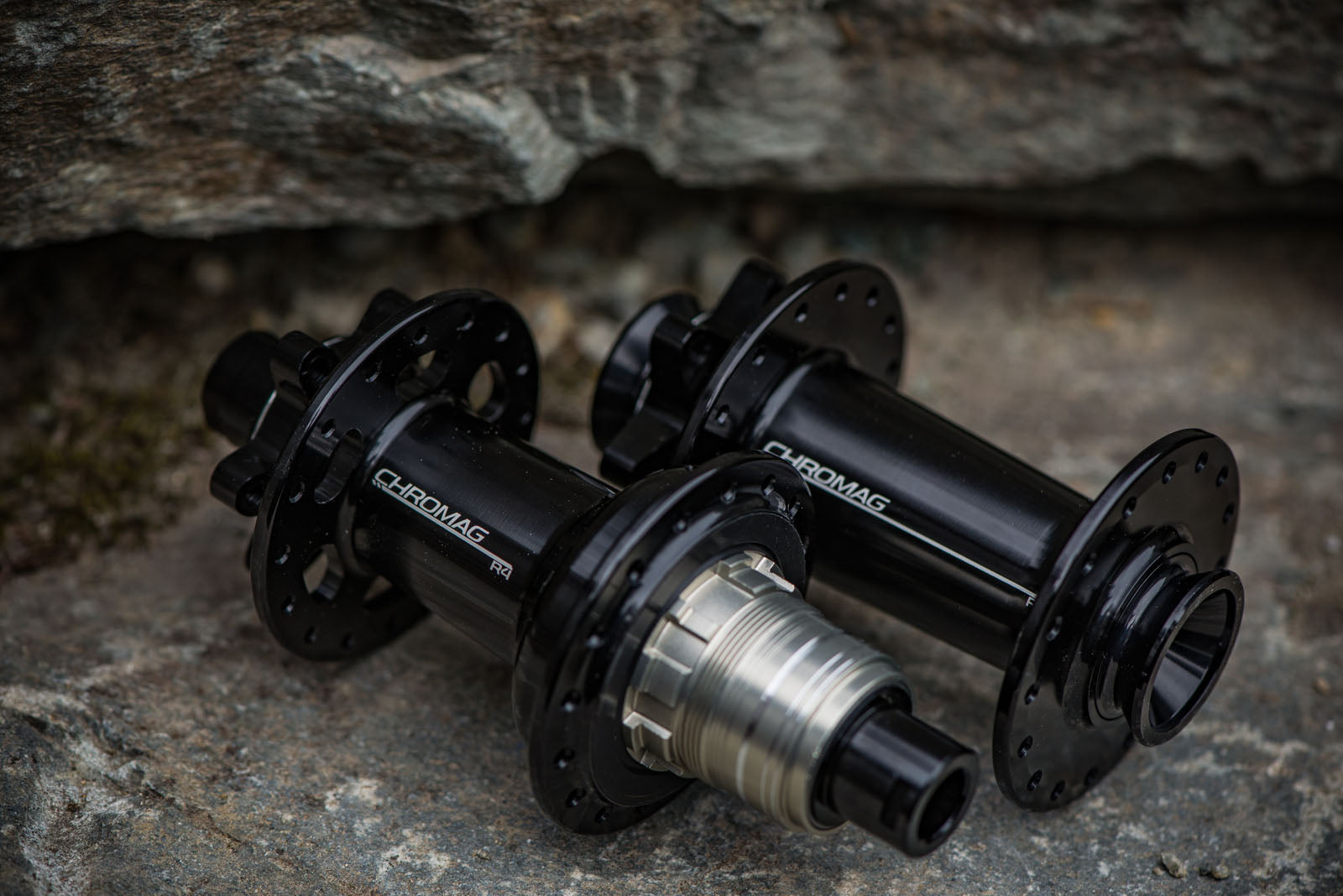
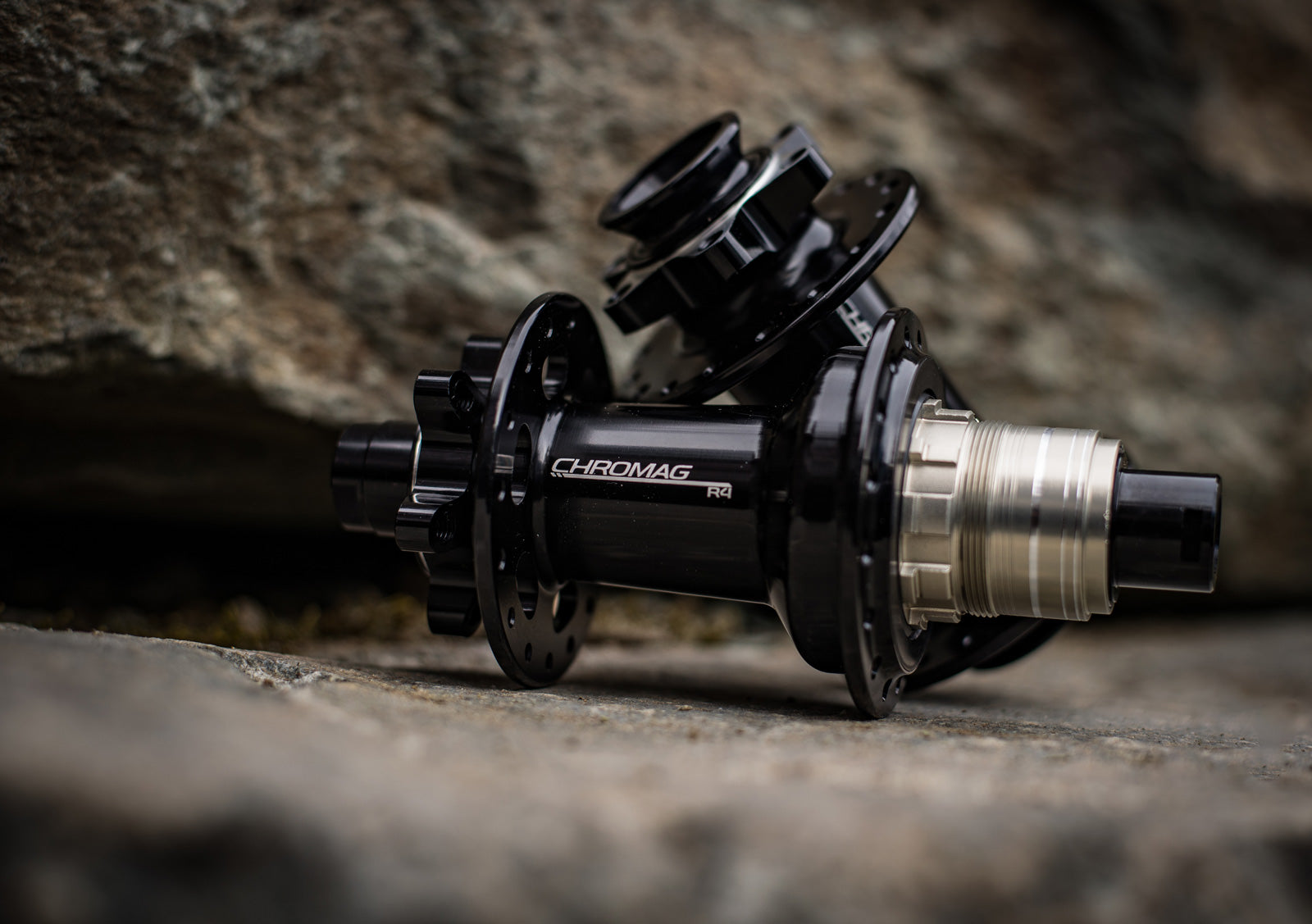
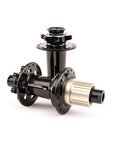
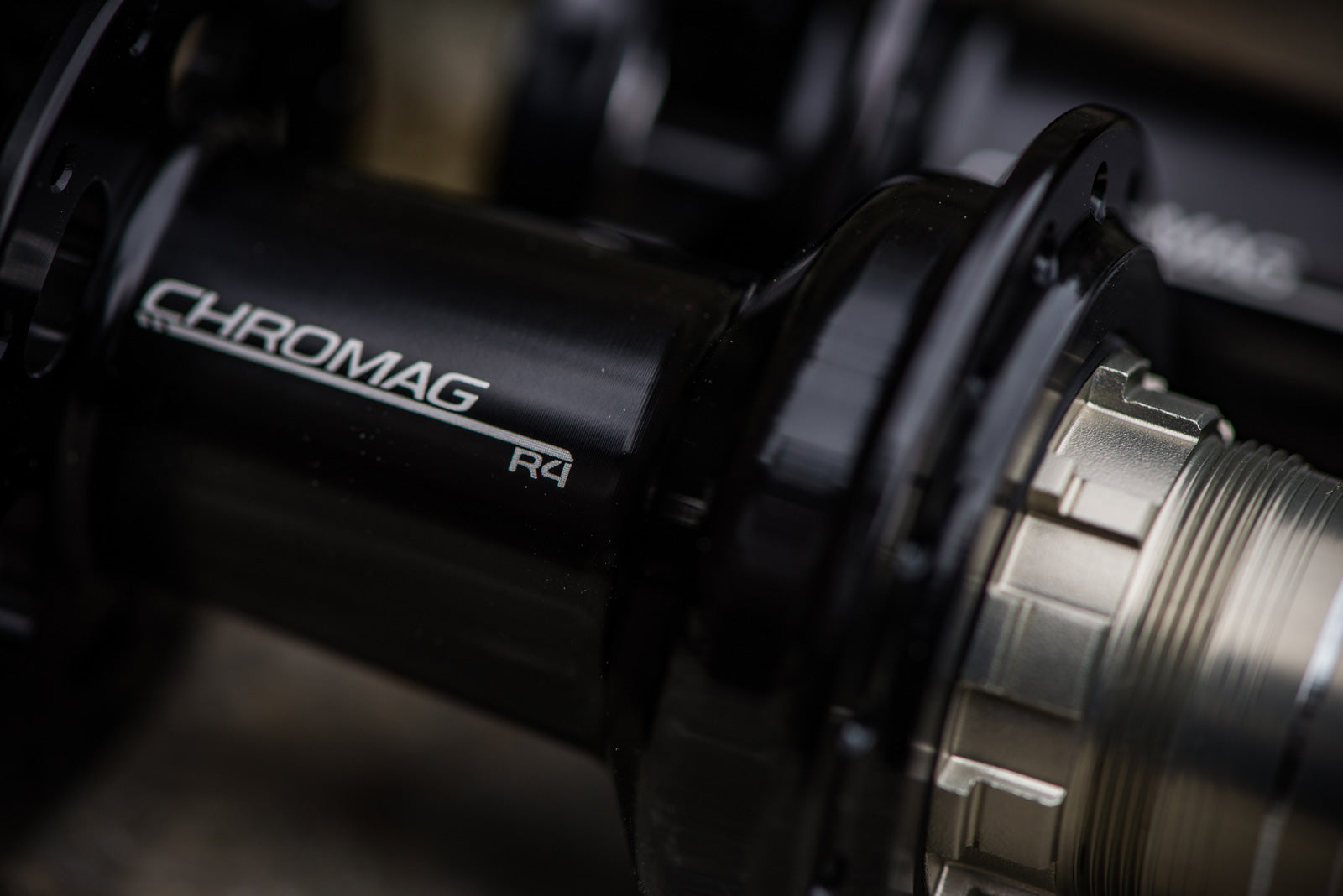
Las llantas están enlazadas a nuestro nuevo buje R4. El R4 está diseñado para ser un buje sólido y fiable, con un eje duradero y un conjunto de rodamientos robusto. Utilizamos un sistema de 4 trinquetes de eficacia probada con 36 puntos de enganche simultáneo. Su principal característica es el amplio radio de posicionamiento de los trinquetes, que reduce el efecto palanca en el punto de enganche. Es totalmente funcional y está hecho para durar.
Optamos por un eje de acero al cromo-molibdeno para mayor rigidez y durabilidad. El uso de acero permite un eje de menor diámetro, lo que nos da más espacio para usar rodamientos sellados más grandes (usamos rodamientos de enduro fabricados en EE. UU.). El eje trasero utiliza tapas roscadas, fáciles de mantener y resistentes a la compresión del eje del cuadro (¡y no se caen durante las reparaciones en pista!). Los bujes delanteros R4 están disponibles con tapas estándar o de par, y los bujes traseros con transductores XD, HG o Microspline. Suministramos todas las piezas necesarias para el mantenimiento, garantizando así un buen mantenimiento de los bujes R4.
Utilice el código: WheelieGood para recibir $50 de descuento al comprar una rueda delantera y trasera.
Hub Specs
Axle Diameter // 12mm
Spacing // Boost 148mm
Driver // XD, HG or Microspline
Engagement// 4-Pawl, 36 Point
Spokes // 32
Disc Mount // 6 Bolt
Worldwide shipping
We ship anywhere in the world with competitive rates from UPS and FedEx. Alternatively you can pickup right here at Chromag HQ.


Warranty
All of our components are backed by our 2 year warranty.
After that, we still have your back with our crash replacement program.
key features
Design Considerations
Our wheels are built with longevity in mind. We have refined both the construction and build to minimise the re truing needed after the first few rides.
We achieved this with multiple pre-stressing and re-tensioning operations so you can spend more time on the trail than in the truing stand.

The R4 is designed around an oversized ratchet ring, reducing torque on the engagement assembly & thereby improving life span.
This has the added benefit of providing space for larger bearings, which also increases time between service intervals.

Wheels come pre-taped with our black, Presta tubeless valves installed.
All you need to do is install tires and sealant.

Nylock spokes prevent any unwanted rotation between the spoke and nipple.
We find it a more reliable long term solution than thread lock or spoke prep as the spokes can be adjusted multiple times and the nylon patch does not degrade.

Brass nipples are more corrosion and fatigue resistant, allowing adjustment of spokes as needed for a long time to come.
While alloy nipples are lighter and work well in the short term we don't think they are a good fit for a long term wheel solution.

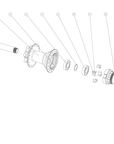
We have a wide variety of spare parts and bearings available for the R4 so you can fully service your own equipment at home.
The exploded diagrams are also pretty helpful if you got distracted while pulling everything apart.
Wheel FAQ's
Our wheels are pre-stressed and ready to ride out of the box. We also use Nylock spokes to keep the tension where it should be. We've found this to last longer and stay in place better when adjustments are made later on.
However, like all wheels there is a bedding-in period, so be sure to keep an eye on spoke tension after the first few rides.
Because the bike industry likes to invent new standards by the hour, there are different freehubs to choose from depending on which cassette you run.
HG is typically for older drivetrains and SRAM NX.
XD is for newer SRAM.
Microspline is for newer Shimano.
The R4 is compatible with HG, XD & Microspline, so if you do decide to change your drivetrain, all you need to do is switch out your freehub.
Wheels come pre-taped with tubeless valves installed.
All you need to do is install tires and sealant.
If you got our wheels on a complete bike from us, tires and sealant will already be installed and seated, just inflate to desired pressure.
Provided the rim does not have a crack, you can use an adjustable wrench to gently bend it back to help your tyres seat properly. (One of the benefits of alloy over carbon)
Use a rag or an old inner tube to prevent scratching your rim, and be careful to avoid puncturing your rim tape!
You'll likely need to adjust spoke tension if your wheel has taken a hit hard enough to dent it.
Having fewer points of engagement leads to more backlash in the system, this is apparent predominantly in climbing gears and technical situations. That being said, from our experience you very quickly become accustomed to the hub you are running and it rarely crosses your mind when riding after the first ride of a new component.
The more points of engagement, the smaller the area of contact between pawls and ratchet ring, along with fewer pawls engaging at the same time. This is in order to fit more into the same space, often leading to reliability issues especially as parts start to wear.
With the R4 we have tried to strike the happy middle ground of having enough points of engagement to feel sharp but also leave room for long term reliability.
Of course there is also the topic of pedal kick back and suspension interaction, which could be a full article in itself.
To keep things simple, a higher engagement hub has the potential to give more feedback due to less backlash before it engages. In general, we think there are a myriad of more important things to worry about in how a bike rides.
If you notice any play in your wheel when your axle is tight its time to check things out. Similarly if you can hear or feel the bearings grumble when spinning, an investigation and likely fresh set of bearings would be a good move.
If you are doing a pre-season refresh or just giving your bike a thorough going over then cleaning and re greasing your freehub body is a good move, removing any contaminants and adding fresh clean grease is a good way to reduce long term wear.
They both use our top end alloy with a fusion welded seam-ground join, and have a 30mm inner width.The main difference is the BA30 has some extra internal bracing, making it stronger and a bit heavier.If you're really on the fence, run a Phase on the front and BA on the rear.
The Phase and BA are fusion welded, and post ground which makes the join the strongest part of the rim!The Ally is pinned at the joint, which is more simple and less labour intensive, but not as strong. The Ally is also slightly heavier as the alloy used has slightly less strength than that of the BA and Phase.